














Therapy is a central part of PTSD and trauma treatment at Cedar Point Mental Health Treatment. We use proven, evidence-based approaches to help you better understand and manage your symptoms.

PTSD & Trauma Treatment in Kenosha, WI

Heal from trauma
Find healing & solutions for PTSD & trauma in Wisconsin
At Cedar Point Mental Health Treatment in Kenosha, Wisconsin, we provide compassionate, trauma-informed care for individuals living with post-traumatic stress disorder (PTSD) and the effects of trauma. We understand that trauma can affect every part of your life, including your sense of safety, your sleep, your relationships, and the way you see yourself. Memories of what happened can resurface without warning and leave you feeling on guard, numb, or disconnected.
Our goal is to help you feel safe again, process difficult experiences at a pace that feels manageable, and rebuild trust in yourself and others. Through personalized treatment, evidence-based counseling, and a supportive clinical team, we help individuals move beyond the weight of trauma and toward lasting mental wellness.

What is PTSD?
Understanding PTSD & trauma
Post-traumatic stress disorder is a mental health condition that can develop after experiencing or witnessing a frightening or life-threatening event. Trauma can come from a single event, such as an accident or assault, or from ongoing experiences like abuse, combat, or loss. When the effects linger and interfere with daily life, it may be PTSD.
Common symptoms of PTSD and trauma may include:
- Intrusive memories, flashbacks, or nightmares
- Intense distress when reminded of the event
- Avoiding people, places, or conversations linked to the trauma
- Feeling constantly on edge, watchful, or easily startled
- Irritability, anger, or difficulty concentrating
- Trouble falling or staying asleep
- Feelings of guilt, shame, or blame
- Emotional numbness or feeling detached from others
Symptoms may appear soon after a traumatic event or surface months or even years later. Trauma affects everyone differently, and many people also experience anxiety, depression, or substance use as a result. No matter how it shows up, PTSD is treatable with the right support.
Conditions
What we treat at Cedar Point Mental Health Treatment in Wisconsin
Our Mental Health Treatment Services are designed to support individuals experiencing a wide range of conditions, including:
-
 Depression
We offer treatment for depression, post-partum depression and seasonal depression disorders.
-
Anxiety
From generalized anxiety disorder and OCD to PTSD and social anxiety, we offer treatment for all anxiety disorders.
-
Mood disorders
Whether you are struggling with bipolar disorder, PMDD or DMDD our effective programming can help.
-
Personality disorders
We offer flexible care for borderline personality disorder and other personality disorders.
-
Bipolar disorders
Structured care to stabilize mood, spot early warning signs, and build steady routines for long term balance.
-
OCD
Evidence-based care, including ERP, to quiet intrusive thoughts and break the cycle of compulsions.
-
Schizophrenia
Psychiatric care, therapy and skill-building to manage symptoms and support greater independence.
-
Self harm
Judgement-free care that teaches safer ways to cope with overwhelming emotions and begin to heal.
-
Suicidal thoughts
Compassionate support, safety planning, and treatment to ease the pain and rebuild hope.
-
 ADD / ADHD
Support for focus, organization, and impulsivity, with careful evaluation and medication management.
-
 Eating disorders
Compassionate care to heal your relationship with food and body image and address what lies beneath.
Get immediate help now
Experience healing & wellness today.
Request a callback

How we can help treat PTSD & trauma
Our approach to PTSD & trauma treatment in Wisconsin
At Cedar Point Mental Health Treatment, we take a personalized, trauma-informed approach to treating PTSD. We understand that each individual’s experience is different, which is why we tailor treatment to your specific symptoms, history, and goals, and always move at a pace that feels safe for you.
Our approach focuses on:
- Creating a sense of safety and stability
- Reducing flashbacks, nightmares, and hypervigilance
- Processing traumatic memories in a supported setting
- Rebuilding trust, connection, and self-worth
We combine therapy, psychiatric care, and structured programming to create a well-rounded treatment plan that supports both immediate relief and long-term stability.
Levels of care for PTSD & trauma treatment
We offer multiple levels of care to ensure that you receive the right amount of support based on your needs.
Partial hospitalization program (PHP)
Our Partial Hospitalization Program (PHP) provides intensive, full-day treatment for individuals experiencing moderate to severe PTSD symptoms. This level of care is ideal for those who need consistent support and structure but do not require overnight hospitalization.
PHP includes individual therapy, group therapy, psychiatric services, and skill-building sessions. This structured environment helps you build grounding and coping skills while beginning to work through trauma with support.
Intensive outpatient program (IOP)
Our Intensive Outpatient Program (IOP) offers a step-down level of care while still providing meaningful clinical support. Clients attend therapy several days per week for a few hours at a time.
IOP allows you to begin applying what you’ve learned in treatment to real-world situations, such as managing triggers at home or work, while continuing to receive guidance and support. This level of care is especially helpful for individuals balancing work, school, or family responsibilities.
Outpatient program (OP)
Our Outpatient Program (OP) provides ongoing support for individuals with mild to moderate trauma symptoms or those transitioning from higher levels of care. Sessions are typically scheduled once or twice per week and focus on maintaining progress and preventing setbacks.
Outpatient care offers flexibility while still providing access to experienced clinicians and evidence-based treatment.
Testimonials
Real experiences from clients who trusted us with their healing.
Therapies to help treat PTSD & trauma
Evidence-based therapies for PTSD & trauma
Trauma-focused cognitive behavioral therapy (CBT)
Trauma-focused CBT, including approaches such as Cognitive Processing Therapy, helps you examine and reshape the beliefs that formed after a traumatic event, such as guilt, self-blame, or the sense that the world is never safe. Changing these beliefs can ease the emotional weight of the memory.
Eye movement desensitization and reprocessing (EMDR)
EMDR is a structured therapy that helps the brain reprocess traumatic memories so they feel less vivid and overwhelming. Using guided eye movements or other rhythmic cues, EMDR can reduce the distress tied to painful memories without requiring you to describe every detail.
Dialectical behavior therapy (DBT)
Dialectical Behavior Therapy (DBT) helps individuals build skills in emotional regulation, distress tolerance, and mindfulness. These tools are especially helpful for managing intense emotions, grounding yourself during flashbacks, and staying present.
Individual therapy
One-on-one therapy sessions provide a safe, private space to explore your experiences and develop strategies tailored to your needs. Your therapist will work with you to identify triggers, build coping skills, and move through treatment at your own pace.
Group therapy
Group therapy offers the opportunity to connect with others who understand what it means to live with trauma. Sharing experiences and learning from peers can help reduce isolation and shame and provide additional support.
Therapy is a central part of PTSD and trauma treatment at Cedar Point Mental Health Treatment. We use proven, evidence-based approaches to help you better understand and manage your symptoms.
Psychiatry and medications used in PTSD treatment at Cedar Point
For some individuals, medication can play an important role in managing PTSD symptoms such as anxiety, low mood, and sleep problems. Our psychiatric team conducts thorough evaluations to determine whether medication may be appropriate for you.
If medication is recommended, we provide ongoing monitoring and adjustments to ensure it is effective and aligned with your needs. We take a collaborative approach, making sure you understand your options and feel comfortable with any decisions.
Medication is often used alongside trauma-focused therapy to provide a more comprehensive treatment approach.

FAQs about PTSD
Frequently asked questions

Still have questions? Feel free to reach out to us.
What types of trauma disorders do you treat at Cedar Point?
We treat PTSD and trauma-related symptoms from many kinds of experiences, including accidents, physical or sexual assault, childhood abuse or neglect, domestic violence, military service, sudden loss, and medical trauma. We also address the anxiety, depression, and substance use that often occur alongside trauma as part of a comprehensive treatment plan.
How do I know if I have PTSD or this is a normal reaction?
It is common to feel shaken after a traumatic event. If symptoms like flashbacks, nightmares, avoidance, or feeling constantly on edge last more than a month or interfere with your daily life, it may be time to seek help. Our team can assess your symptoms and recommend the appropriate level of care.
What levels of care are available for PTSD treatment?
We offer a full continuum of care, including Partial Hospitalization (PHP), Intensive Outpatient (IOP), and outpatient therapy. This allows us to match the level of support to the severity of your symptoms and adjust care as you progress.
Will I have to talk about my trauma in detail?
Not before you are ready. Trauma treatment at Cedar Point begins with building safety, trust, and coping skills. When you and your therapist decide to work on specific memories, you stay in control of the pace, and some approaches, such as EMDR, do not require you to describe every detail.
Will I need medication for PTSD?
Not everyone requires medication, but it can be helpful for some individuals, especially for symptoms like anxiety, depression, or trouble sleeping. Our psychiatric providers will evaluate your symptoms and discuss whether medication may be beneficial. Any decision is made collaboratively based on your comfort and needs.
How long does PTSD treatment usually take?
The length of treatment varies depending on the individual, the nature of the trauma, the severity of symptoms, and the level of care. Some people benefit from several weeks of structured programming, while others continue with outpatient therapy for ongoing support and healing.

Paying for treatment
Insurance coverage for PTSD & trauma treatment
We work with many private insurance plans to help cover the cost of PTSD and trauma treatment at Cedar Point Mental Health Treatment. Our admissions team will verify your benefits, explain your coverage, and provide a clear understanding of any out-of-pocket costs before you begin care.
Our goal is to make high-quality mental health care accessible while providing transparency throughout the process.
Feel safe again
Begin PTSD & trauma treatment in Wisconsin today
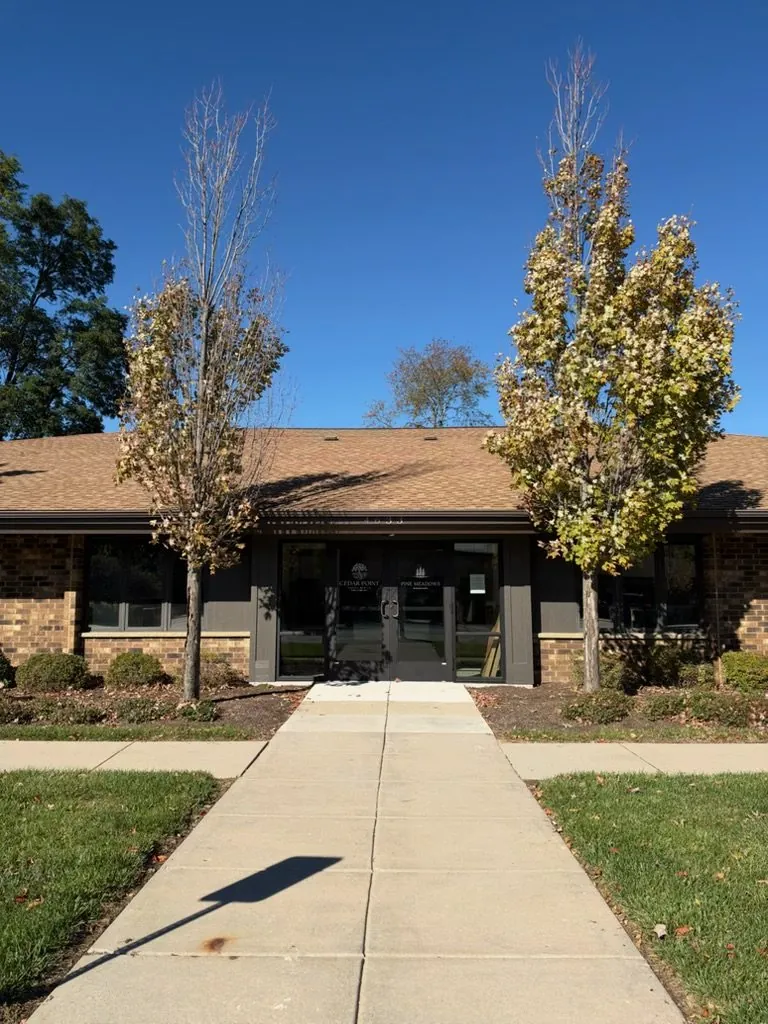
If you or a loved one is struggling with PTSD or the effects of trauma, you don’t have to carry it alone. At Cedar Point Mental Health Treatment in Kenosha, Wisconsin, we are here to help you take the first step toward healing.
Our team will guide you through the admissions process, answer your questions, and create a personalized treatment plan that meets your needs. Whether you require intensive support or ongoing therapy, we are committed to helping you feel safe, regain control, and build a healthier future.
PTSD is highly treatable, and with the right care, lasting recovery is possible. Reach out to Cedar Point Mental Health Treatment today to learn more about our trauma treatment services and take the next step toward a calmer, more connected life.